



Phytosanitary Inspection: Protecting Agriculture from the Very First Step
By: Priscila Gomes, Laboratory Supervisor and Claudenice Dalastra, Laboratory Analyst
What is Phytosanitary Inspection?
Phytosanitary inspection is a systematic process designed to evaluate plant products, seeds, propagative materials, soil, and other agricultural commodities for the presence of pests, pathogens, contaminants, and foreign materials that may pose a risk to agriculture, trade, environmental safety, and food production. It serves as one of the most important preventive measures in plant health protection, acting as the first barrier against the introduction and dissemination of harmful organisms.
The inspection process combines technical expertise, visual examination, sample handling procedures, documentation, traceability systems, and laboratory analyses to ensure that plant materials comply with phytosanitary requirements established by national and international regulations. Beyond regulatory compliance, phytosanitary inspection contributes significantly to crop protection, quality assurance, biodiversity conservation, and the maintenance of agricultural productivity.
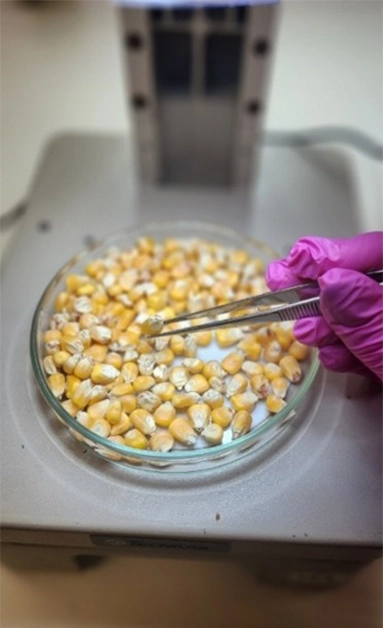 Visual inspection process for corn kernels.
Objectives of Phytosanitary Inspection
The primary objective of phytosanitary inspection is to detect and identify organisms, materials, or conditions that may compromise the phytosanitary status of a shipment, production lot, or sample submitted for analysis. This includes the detection of insects, mites, fungal structures, weed seeds, nematodes, symptomatic plant tissues, and other contaminants that may affect plant health.
In addition to detecting phytosanitary risks, the inspection process aims to prevent the introduction and spread of quarantine pests, safeguard agricultural production systems, protect natural ecosystems and biodiversity, support compliance with phytosanitary regulations, and verify the quality and purity of seeds and agricultural products. Through the early identification of potential risks, phytosanitary inspection provides reliable information for diagnostic analyses, supports decision-making processes, and enables the implementation of appropriate control measures before significant damage occurs.
Sample Reception and Initial Screening on Visual Inspection
The phytosanitary inspection process begins with sample reception, registration, and screening, ensuring traceability throughout the entire analytical workflow. During this stage, information such as packaging integrity, sample type, analytical requirements, and processing priority is reviewed. Samples are then organized and submitted to visual inspection, which involves a detailed examination through direct observation and, when necessary, the use of magnification equipment. During the analysis, technical assistants evaluate the presence of contaminants, including weed seeds, insects, mites, fungal structures, foreign plant materials, and other debris. Any suspect organisms or contaminants detected are isolated, documented, and forwarded to specialized departments for identification and confirmation.
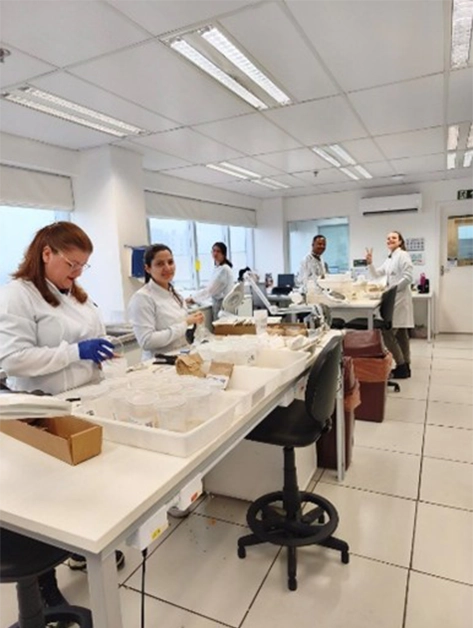 Visual inspection team sorting samples
Traceability and Quality control
Traceability and quality assurance are fundamental components of phytosanitary inspection, ensuring that samples and intercepted contaminants can be monitored throughout the entire analytical process. Inspection activities are conducted under Good Laboratory Practices (GLP), using standardized procedures, trained personnel, properly maintained equipment, and measures designed to prevent contamination and ensure reliable results. Additional precautions may be required when handling regulated materials, genetically modified organisms, imported commodities, or samples associated with quarantine pests.
Importance of Phytosanitary Inspection in Agriculture
Phytosanitary inspection plays a critical role in protecting agricultural systems and supporting global food security. The movement of plant materials across regions and countries can facilitate the spread of pests and diseases with significant economic and environmental consequences.
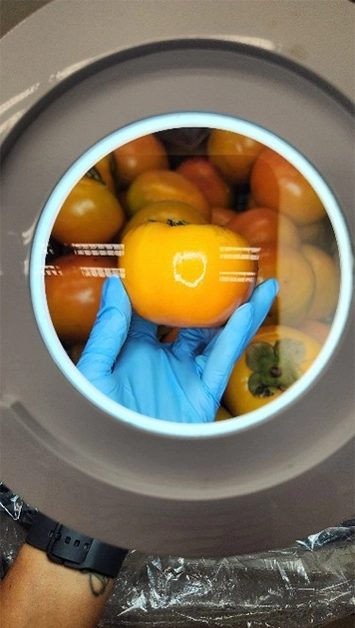 Visual analysis of a sample of persimmon fruits.
Early detection of contaminants before they become established in new areas reduces the risk of crop losses, prevents costly pest management programs, and supports sustainable agricultural production. Additionally, inspection activities contribute to maintaining market access by demonstrating compliance with domestic and international phytosanitary regulations, thereby facilitating the safe trade of agricultural commodities.
Conclusion
Phytosanitary inspection is a comprehensive process that combines sample screening, visual examination, contaminant detection, traceability, documentation, and quality assurance practices to protect plant health and agricultural production. As the initial stage in many laboratory workflows, it serves as a critical checkpoint for identifying potentially harmful organisms and contaminants, ensuring that samples are properly assessed and directed to specialized analyses when necessary. Through rigorous inspection procedures and adherence to quality standards, phytosanitary inspection contributes to the reliability of laboratory results, the protection of agricultural systems, and the prevention of pest dissemination across regions and countries.
Looking for trusted phytosanitary inspection and laboratory services?
At Agronômica, our team of specialists combines technical expertise, advanced laboratory capabilities, and rigorous quality standards to help protect your crops, ensure regulatory compliance, and facilitate safe agricultural trade.
Contact Agronômica today to learn how our phytosanitary inspection services can support your business and agricultural operations: comercial@agronomicabr.com.br
About Cotecna
For over 50 years, we have been supporting agriculture, food and pharma, minerals and metals, and consumer products supply chains all over the world. We provide testing, inspection, and certification services to help our clients navigate evolving regulations, ensure product compliance, and support their sustainability journey.
Latest News

27.10.2026
Advanced Mineral Quality Control Through Modern Laboratory Analysis
Discover how modern laboratory techniques such as XRF, ICP-OES, ICP-MS, XRD and fire assay improve mineral quality control, accuracy and decision-making.
27.10.2026
Phytosanitary Inspection: Protecting Agriculture from the Very First Step
Discover how Agronômica, part of the Cotecna Group, helps safeguard agricultural production, support international trade, and prevent the spread of pests through reliable phytosanitary inspection services and world-class laboratory exper...