



The Importance of Mechanical and Performance Testing for Consumer Products

Consumer expectations have never been higher. Today's products are expected to be safe, durable, reliable, and capable of performing as intended throughout their lifecycle. At the same time, manufacturers face increasing regulatory scrutiny, evolving international standards, and growing pressure to accelerate product development without compromising quality.
Whether producing household appliances, toys, furniture, textiles, electrical products, sporting goods, or personal care items, businesses must ensure their products can withstand real-world use while meeting applicable safety and performance requirements. A product that fails prematurely, poses safety risks, or does not meet customer expectations can result in product recalls, warranty claims, regulatory penalties, reputational damage, and lost consumer trust.
Mechanical and performance testing plays a critical role in preventing these outcomes. By evaluating how products respond to physical stresses and simulated use conditions, manufacturers gain valuable insights that support product development, regulatory compliance, and long-term quality assurance.
As global supply chains become increasingly complex, independent Testing, Inspection, and Certification (TIC) services provide manufacturers, retailers, and brand owners with objective evidence that products meet defined quality, safety, and performance standards before they reach the market.
Why Mechanical and Performance Testing Matters
Mechanical and performance testing evaluates whether a product can safely and reliably perform its intended function under expected conditions of use.
Unlike visual inspections, these tests measure how products respond to forces such as tension, compression, impact, vibration, fatigue, abrasion, and repeated use. They also assess whether products continue to meet quality expectations throughout their expected service life.
Effective testing enables manufacturers to answer important questions, including:
Can the product withstand normal consumer use?
Will repeated use affect performance or safety?
Does the product comply with applicable regulations and standards?
Are materials and components suitable for their intended application?
Are there potential design weaknesses that should be addressed before production?
By identifying issues early in the product lifecycle, manufacturers can reduce costly redesigns, improve product reliability, and strengthen consumer confidence.
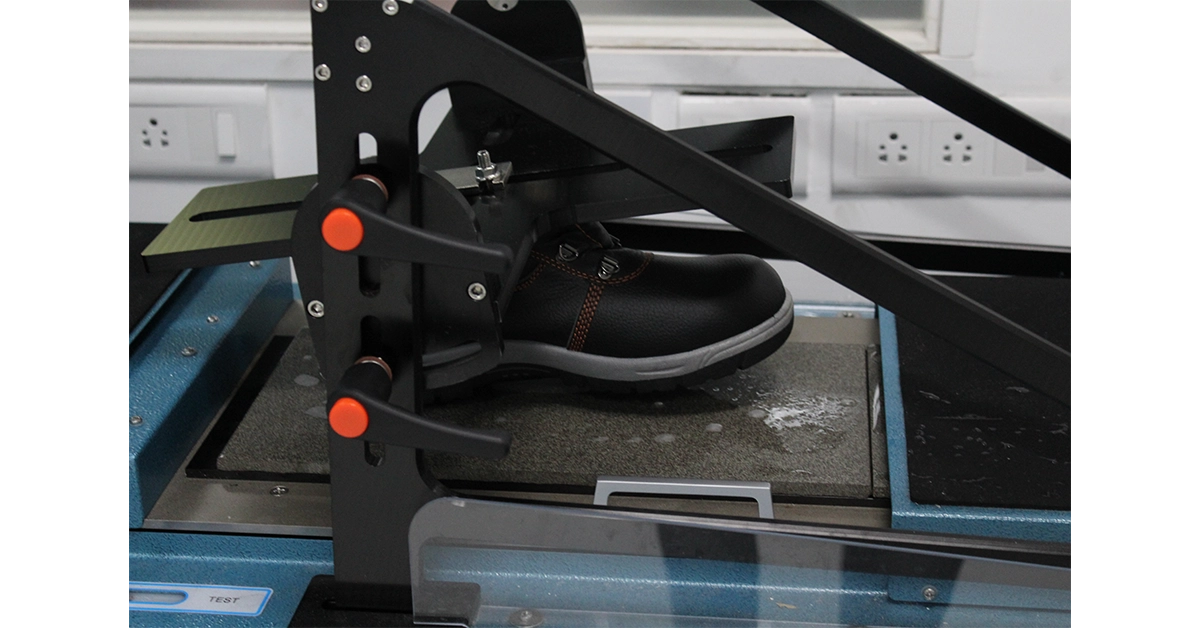
Supporting Product Quality from Design to Market
Quality is built throughout the product lifecycle, beginning with design and continuing through manufacturing, distribution, and post-market monitoring.
Mechanical and performance testing supports each stage by providing objective data that informs decision-making.
During product development, testing validates design concepts and confirms that products perform as intended. Manufacturers can compare materials, evaluate alternative designs, and identify opportunities to improve durability before large-scale production begins.
During manufacturing, routine testing helps verify production consistency, identify process variations, and maintain quality standards across production batches.
Before products enter the market, independent verification provides confidence that finished goods comply with customer specifications and regulatory requirements.
Rather than viewing testing solely as a compliance activity, many organizations now recognize it as a strategic investment that supports continuous quality improvement and long-term business performance.
Common Mechanical Tests for Consumer Products
Different products require different testing methods depending on their intended use, construction, and applicable standards.
Common mechanical tests include:
Tensile strength testing
Compression testing
Flexural strength testing
Impact resistance testing
Drop testing
Fatigue testing
Torque testing
Pull and push force testing
Load-bearing assessments
Abrasion and wear resistance testing
Stability testing
Sharp edge and pinch point evaluations
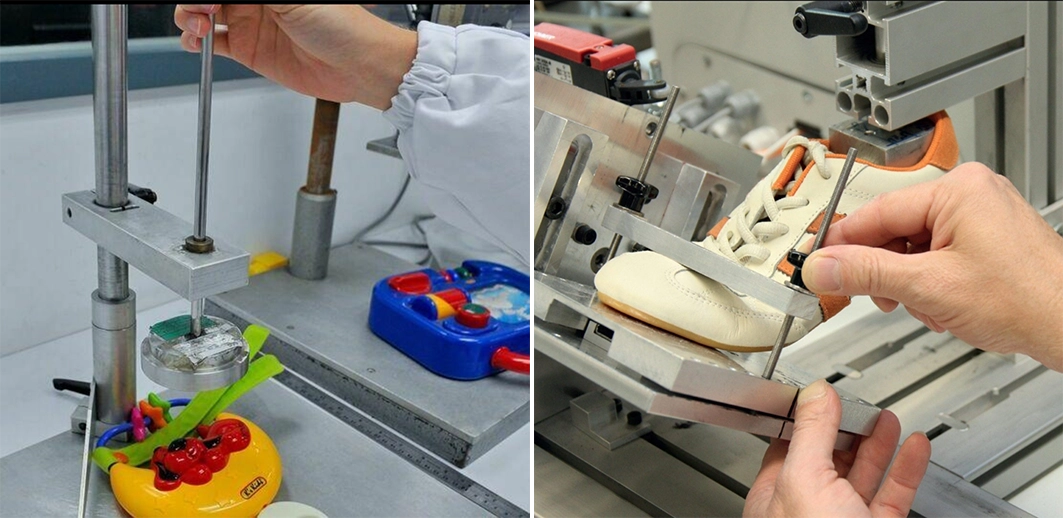
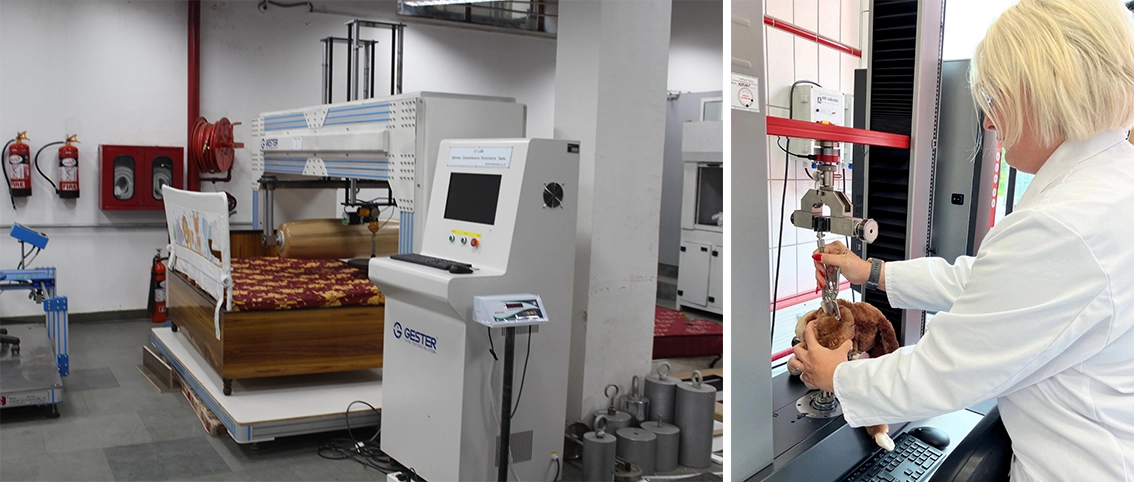
For example, furniture may undergo load and stability testing to verify structural integrity, while children's products may be assessed for small parts, sharp edges, and mechanical hazards. Consumer electronics may require repeated button actuation testing to confirm durability throughout normal use.
These evaluations help manufacturers verify that products meet performance expectations under realistic operating conditions.
Performance Testing Beyond Mechanical Strength
Performance testing extends beyond physical strength alone. It evaluates whether products continue to function effectively throughout their intended lifecycle under environmental and operational conditions.
Depending on the product category, performance testing may include:
Repeated-use simulations
Environmental exposure testing
Temperature and humidity resistance
Corrosion resistance
UV exposure
Waterproof or ingress protection testing
Functional performance verification
Durability assessments
Packaging performance testing
These tests provide valuable information about how products perform during transportation, storage, installation, and everyday consumer use.
As products become increasingly sophisticated, manufacturers must consider not only whether a product works initially but whether it continues to perform reliably over time.
Reducing Product Failures and Recalls
Product failures rarely result from a single factor. They often arise from a combination of design weaknesses, material inconsistencies, manufacturing defects, or unforeseen usage conditions.
Mechanical and performance testing helps identify these vulnerabilities before products reach consumers.
Early identification of weaknesses enables manufacturers to:
Improve product design
Select more suitable materials
Optimize manufacturing processes
Reduce warranty claims
Minimize product recalls
Strengthen customer satisfaction
Protect brand reputation
Independent testing also provides documented evidence that manufacturers exercised appropriate due diligence during product development and quality assurance.
In today's competitive marketplace, preventing product failures is often more cost-effective than managing the financial and reputational consequences of a recall.
Supporting Compliance with International Standards
Manufacturers serving global markets must navigate a wide range of regulatory requirements and industry standards.
Mechanical and performance testing helps demonstrate compliance with internationally recognized frameworks and customer specifications.
Depending on the product category, relevant standards may include:
ISO standards
ASTM International test methods
IEC standards for electrical products
EN standards for European markets
Consumer product safety regulations
Retailer-specific quality requirements
Accredited laboratories operating in accordance with ISO/IEC 17025 provide confidence that testing methods, equipment, and quality management systems meet internationally accepted requirements.
Independent verification supports smoother market access while reducing the likelihood of regulatory challenges or customer disputes.
Strengthening Supply Chain Confidence
Consumer products often pass through multiple suppliers, contract manufacturers, logistics providers, distributors, and retailers before reaching end users.
Each stage introduces potential quality risks.
Independent testing provides objective evidence that products continue to meet agreed specifications throughout the supply chain.
Manufacturers can use testing results to support:
Supplier qualification
Incoming material inspections
Production quality control
Product release decisions
Retailer compliance requirements
International trade documentation
For retailers and brand owners, third-party verification strengthens confidence that products meet safety, performance, and contractual expectations before they reach store shelves.
Driving Innovation Through Testing
Innovation remains essential for maintaining competitiveness, but introducing new materials, technologies, and product designs also introduces uncertainty.
Mechanical and performance testing enables organizations to innovate with greater confidence.
Rather than relying on assumptions, manufacturers can evaluate prototype performance using objective data generated under controlled laboratory conditions.
Testing may reveal opportunities to:
Improve durability
Reduce product weight
Increase sustainability through alternative materials
Enhance user experience
Extend product lifespan
Improve manufacturing efficiency
These insights support better engineering decisions while reducing development risks.
The Growing Importance of Sustainability
Consumers increasingly expect products that are durable, repairable, and responsibly manufactured.
Mechanical and performance testing contributes to sustainability by helping manufacturers produce products with longer service lives and fewer failures.
Products that perform reliably throughout their intended lifespan require fewer replacements, reducing waste and supporting more efficient use of resources.
Testing can also support the evaluation of recycled materials, alternative packaging, and innovative product designs that contribute to broader sustainability objectives without compromising safety or performance.
As environmental considerations become more prominent in purchasing decisions, quality and sustainability are becoming increasingly interconnected.
Choosing the Right Testing Partner
Effective product testing depends on technical expertise, internationally recognized methodologies, modern laboratory capabilities, and a deep understanding of regulatory requirements.
When selecting a Testing, Inspection, and Certification partner, organizations should consider:
Laboratory accreditation
Technical competence
Industry experience
Scope of testing capabilities
Global presence
Turnaround times
Quality of reporting
Regulatory expertise
Ability to integrate testing with inspection and certification services
Working with an experienced TIC provider allows manufacturers to benefit from independent assessments that support product quality, market access, and continuous improvement.
Building Confidence Through Independent Verification
Mechanical and performance testing has evolved far beyond a regulatory requirement. It has become an essential component of product quality, risk management, and business resilience.
By identifying design weaknesses, validating product performance, and demonstrating compliance with recognized standards, testing helps manufacturers reduce risk while delivering products that meet consumer expectations.
As markets continue to evolve and quality expectations increase, independent Testing, Inspection, and Certification services provide manufacturers with the confidence needed to innovate responsibly, strengthen product reliability, and compete successfully in global markets.
Organizations that integrate comprehensive testing into their product development and quality assurance strategies are better positioned to enhance customer satisfaction, reduce operational risk, and build lasting trust with regulators, retailers, and consumers.
Discover how Cotecna's mechanical and performance testing services can help your organization strengthen product quality, support regulatory compliance, and deliver safer, more reliable consumer products to markets worldwide.
Cotecna, Your Partner for Material Innovation
By working with a global TIC partner like Cotecna, manufacturers can innovate with confidence, ensuring that new materials deliver performance and sustainability benefits while meeting evolving safety, regulatory, and market expectations.
Cotecna CPS Global Network
Our network covers over 180 offices and laboratories globally.

Discover Cotecna CPS Laboratories & Entities
To learn more about Cotecna Consumer Product Services, or to get a free quote, please contact us. Follow us on Social Media to keep up with our latest updates.
Download the free Cotecna Consumer Product Services Brochure.
About Cotecna
For over 50 years, we have been supporting agriculture, food and pharma, minerals and metals, and consumer products supply chains all over the world. We provide testing, inspection, and certification services to help our clients navigate evolving regulations, ensure product compliance, and support their sustainability journey.
Latest News
23.10.2026
The Importance of Mechanical and Performance Testing for Consumer Products
Discover how mechanical and performance testing helps manufacturers improve product quality, demonstrate compliance, reduce product failures, and strengthen consumer confidence.

23.10.2026
Why Bioanalytical Testing Matters in Modern Drug Development
Discover the role of bioanalytical testing in modern drug development, from measuring drug concentrations to supporting pharmacokinetic studies and analytical decision-making.