



Political Changes and an Evolving Regulatory Landscape: How Phytosanitary Compliance Can Drive Agribusiness Growth

By: Amanda Rossi (Agronômica Director) e Leonardo Lionço (Commercial Coordinator)
Phytosanitary compliance influences market access and the predictability of plant product exports. New market opportunities, regulatory revisions and emerging risks require exporters, cooperatives, producers and trading companies to monitor the requirements of each destination and incorporate them into their planning.
Political changes and conflicts can also affect costs, routes and buyers. When an operation is redirected, phytosanitary requirements must be reassessed, even if the commodity remains the same.
New Markets and Changing Access Requirements
Importing countries establish requirements to reduce the risk of introducing and spreading plant pests, considering the product, its origin and its intended use. Procedures adopted for one market may therefore need adjustments to serve another destination.
The opening of the Chinese market to Brazilian sesame in November 2024 was accompanied by an inspection and quarantine protocol. In its review of 2025, Brazil’s Ministry of Agriculture and Livestock (MAPA) reported that sesame exports to China had already generated US$195.1 million, demonstrating the commercial scale of this opportunity.
Meanwhile, ginger exported to the European Union became subject to new requirements concerning the bacterium Ralstonia pseudosolanacearum in October 2026. The Brazilian procedure includes monitoring the Production Unit, sampling before harvest, laboratory testing and traceability, requiring preparation from the production stage onward.

Sesame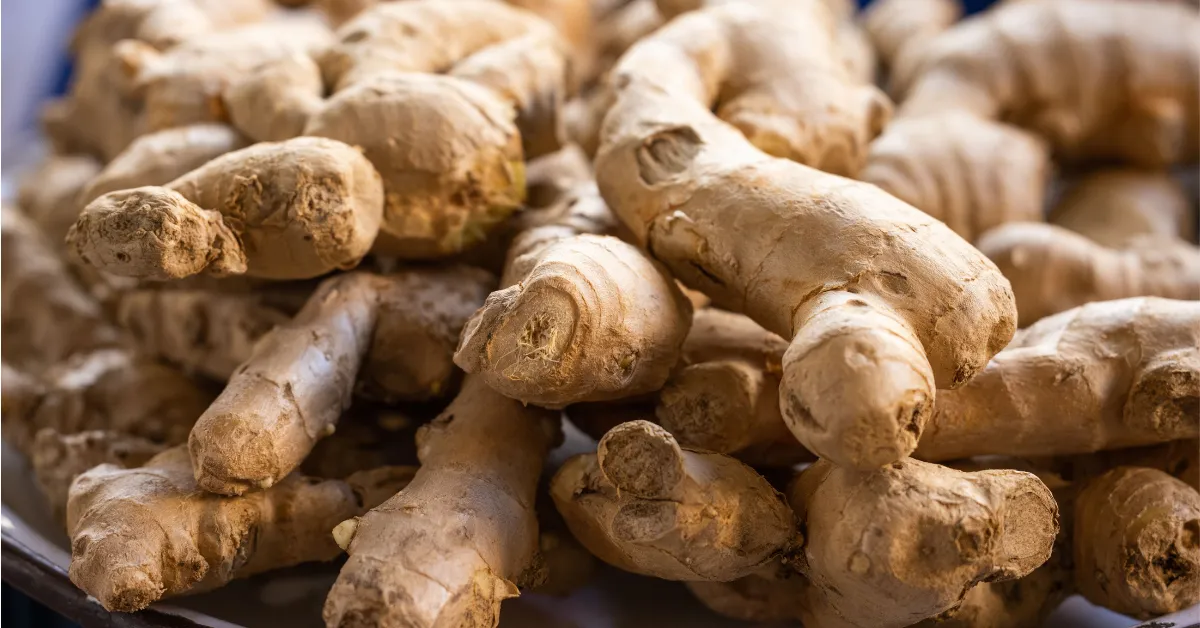 Ginger
Anticipating Requirements to Reduce Commercial Risks
Requirements may be distributed across regulations, bilateral protocols, import permits and lists of regulated pests. Locating these documents, confirming that they remain valid and understanding their applicability are essential steps in defining operational procedures.
MAPA warns that requirements available through the T-Rex system may be changed by importing countries’ authorities and recommends confirming them before export.
A requirement identified late may call for additional sampling, supplementary testing, documentation changes or measures at the production stage. Defining the target organisms and necessary evidence in advance allows companies to plan timelines and costs, reducing the risk of unresolved issues close to shipment.
Laboratory Diagnostics in Operational Planning
Phytosanitary diagnostics provide information to assess the condition of samples and support commercial and regulatory decisions. Analytical work connects destination requirements with the organisms under investigation, the sample matrix and appropriate methods, including morphological assessments, microbiological methods and molecular biology techniques.
Sampling, preservation and sample identification must also be suitable for the analysis. This alignment maintains sample representativeness and traceability, while allowing the delivery of results to be integrated into the operational schedule.
How Agronômica Supports Agribusiness
Agronômica is an accredited laboratory, also authorized by MAPA to perform phytosanitary diagnostics. It serves sectors including grains, seeds, fruit and vegetables, supporting companies that need to demonstrate compliance with domestic and international requirements.
Its portfolio includes the identification of insects and seed contaminants, diagnostics for fungi, bacteria and viruses, molecular assays, and analyses addressing specific importing country requirements. Experience with these operations enables Agronômica to help clients define procedures suited to the material and the purpose of each service.
Through analyses and laboratory documentation that support certification processes, Agronômica helps integrate phytosanitary assessment into the early stages of commercial negotiations. This approach helps companies organize shipments, respond to regulatory changes and pursue market opportunities.
About Cotecna
For over 50 years, we have been supporting agriculture, food and pharma, minerals and metals, and consumer products supply chains all over the world. We provide testing, inspection, and certification services to help our clients navigate evolving regulations, ensure product compliance, and support their sustainability journey.
Latest News
19.11.2026
Political Changes and an Evolving Regulatory Landscape: How Phytosanitary Compliance Can Drive Agribusiness Growth
Discover how Agronômica helps agribusiness companies navigate phytosanitary requirements, reduce export risks and seize new market opportunities.

13.11.2026
ESTS Approved as Higg FDM Validation Body, Expanding One-Stop Higg Sustainability Service Portfolio
We are pleased to announce that Extensive Standard Technical Services Co., Ltd. (ESTS), part of the Cotecna Group, has obtained official approval to deliver Higg FDM (Facility Data Manager) validation service. This extends ESTS’ existin...