



Pesticide Residues, Mycotoxins & Contaminants: Food Safety Challenges
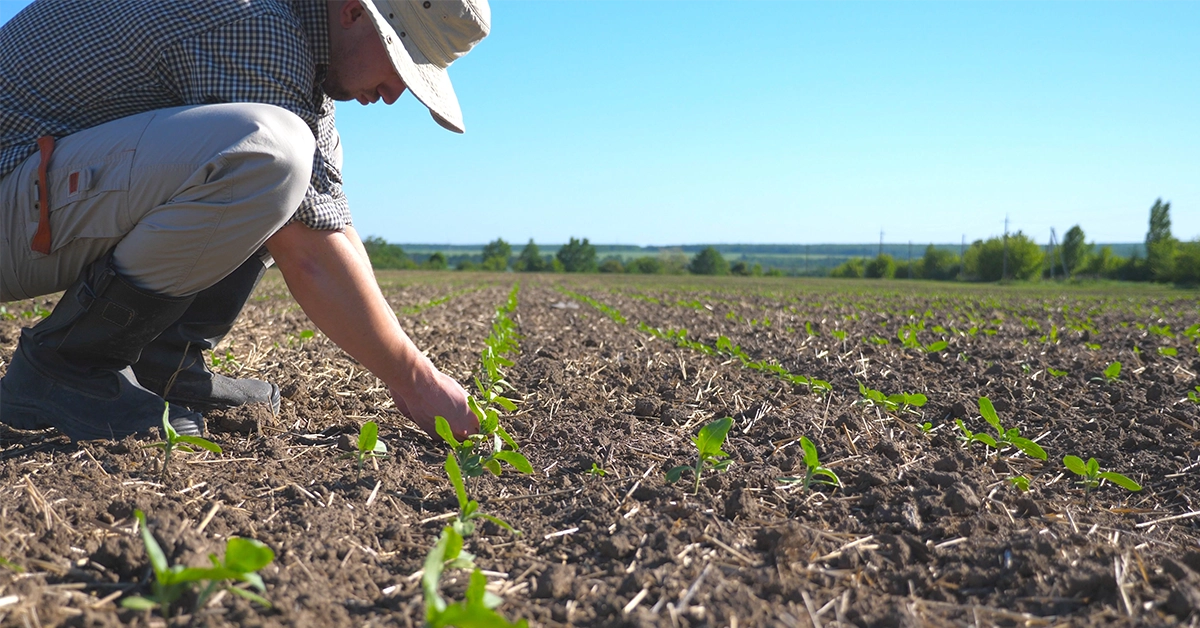
Food producers today operate in an increasingly complex environment.
They must manage crop and production risks while meeting stricter regulatory requirements, retailer specifications, export controls and growing consumer expectations around food safety and transparency.
Among the most important chemical hazards are pesticide residues, mycotoxins and other contaminants.
These substances can enter the food chain through different pathways. Pesticides may remain on crops following agricultural applications. Mycotoxins can develop when certain fungi grow on crops under favorable conditions. Other contaminants can originate from the environment, processing activities, packaging, storage or transportation.
For producers, exporters and food businesses, managing these risks is about more than passing a laboratory test.
It requires a systematic approach that combines good agricultural and manufacturing practices, risk assessment, appropriate sampling, reliable laboratory analysis, traceability and corrective action.
Our food safety laboratories provide testing for pesticides, mycotoxins, organic pollutants, dioxins and other contaminants, supported by advanced analytical technologies and ISO/IEC 17025-accredited laboratory capabilities.
Why Chemical Contamination Is a Growing Concern
Modern food supply chains connect producers to markets around the world.
A single agricultural commodity may be cultivated in one country, processed in another, traded internationally and ultimately consumed thousands of kilometers from its origin.
This creates additional complexity for food safety management.
A product that meets requirements in one market may face different limits or additional testing requirements in another.
At the same time, food businesses are expected to provide greater transparency about the safety and quality of their products.
For producers and exporters, contamination can have serious commercial consequences.
A non-compliant shipment can lead to:
Shipment delays
Rejection at destination
Product recalls
Financial losses
Contractual disputes
Loss of market access
Damage to brand reputation
This makes contaminant testing an important component of supply-chain risk management.
Pesticide Residues: Managing Compliance From Farm to Market
Pesticides play an important role in modern agriculture.
They can help farmers control pests, diseases and weeds and protect crop yields.
However, residues of active substances may remain on agricultural products after treatment.
The presence of a pesticide residue does not automatically mean that a product is unsafe. What matters is whether the residue is present within the applicable regulatory limits and under the conditions established for the relevant commodity and market.
This is why Maximum Residue Levels (MRLs) are an important consideration for producers and exporters.
Different markets may establish different requirements for particular pesticides and commodities.
Our pesticide residue testing services help businesses assess products against applicable requirements and manage compliance risks in international agricultural trade. Our recent content highlights the importance of pesticide testing for producers, exporters, traders and importers facing increasingly complex regulatory environments.
Why Testing Strategies Matter
A pesticide testing program needs to reflect the actual risk profile of the commodity.
Factors can include:
Crop type
Country of origin
Agricultural practices
Pesticide-use history
Target market
Buyer requirements
Regulatory requirements
Previous non-compliances
A risk-based testing strategy can therefore be more meaningful than applying an identical testing panel to every product.
Mycotoxins: A Different Kind of Food Safety Risk
Mycotoxins present a different challenge.
They are naturally occurring toxic compounds produced by certain molds and fungi.
They can develop in crops before harvest or during storage when environmental conditions are favorable.
Important mycotoxins include:
Aflatoxins
Ochratoxin A
Deoxynivalenol (DON)
Fumonisins
Zearalenone
Different mycotoxins are associated with different commodities and production conditions.
Cereals, nuts, spices and other agricultural products can be subject to mycotoxin risks depending on factors such as climate, storage conditions and supply-chain practices.
Why Mycotoxin Control Requires More Than Testing
Laboratory analysis can identify the presence and concentration of mycotoxins.
However, prevention starts much earlier.
Producers and processors can reduce risk through:
Appropriate crop management
Timely harvesting
Moisture control
Proper drying
Suitable storage conditions
Pest management
Good warehouse hygiene
Appropriate transportation
Supplier controls
Risk-based testing
Testing therefore acts as a verification and risk-management tool within a broader food-safety program.
Beyond Pesticides and Mycotoxins: The Wider Contaminant Landscape
Pesticides and mycotoxins are only part of the chemical-contaminant landscape.
Depending on the food, feed or agricultural commodity, businesses may also need to consider:
Heavy Metals
Lead, cadmium, mercury and arsenic can enter food through environmental and agricultural pathways.
Their presence can depend on factors such as soil characteristics, water quality, geographic origin and agricultural practices.
Dioxins and PCBs
These persistent organic pollutants can accumulate in the environment and enter the food chain through different pathways.
Process Contaminants
Some contaminants can form during food processing.
Examples include acrylamide, 3-MCPD and certain other process-related substances.
PFAS
Per- and polyfluoroalkyl substances are a group of persistent chemicals that have attracted increasing regulatory and public attention.
Our food testing scope includes PFAS/PFOS alongside pesticides, mycotoxins, heavy metals, dioxins, PCBs, MOSH/MOAH and other contaminants.
MOSH/MOAH
Mineral oil hydrocarbons can enter food through various sources within production, processing, packaging and supply chains.
These examples demonstrate why food safety testing increasingly requires a broad understanding of potential chemical hazards.
Why Advanced Laboratory Technology Matters
Detecting contaminants at low concentrations requires highly sensitive and selective analytical methods.
Our food laboratories use technologies including:
LC-MS/MS
ICP-MS
ICP-OES
HPLC
Chromatography
Mass spectrometry
These technologies enable laboratories to detect and quantify substances at very low concentrations and across complex food matrices.
Our food testing scope includes PFAS/PFOS alongside pesticides, mycotoxins, heavy metals, dioxins, PCBs, MOSH/MOAH and other contaminants.
The choice of analytical method depends on the contaminant, commodity, concentration range, regulatory requirement and intended purpose of the analysis.
This is why laboratory expertise matters alongside instrumentation.
A modern instrument is only one part of the analytical process. Appropriate sample preparation, validated methods, calibration, quality control and trained analysts are also essential.
Sampling Is the Foundation of Reliable Results
One of the most important but sometimes overlooked aspects of contaminant testing is sampling.
A laboratory can only analyze the sample it receives.
If the sample is not representative of the larger lot, even a technically excellent laboratory result may not accurately reflect the quality of the shipment.
A robust sampling strategy should consider:
Lot size
Commodity characteristics
Potential contamination distribution
Sampling location
Number of increments
Sample handling
Storage and transportation
Chain of custody
For heterogeneous agricultural commodities, appropriate sampling can be particularly important.
This makes sampling and laboratory analysis complementary parts of the same quality-control process.
Commodity-Specific Risk Matters
Not every commodity presents the same contamination profile.
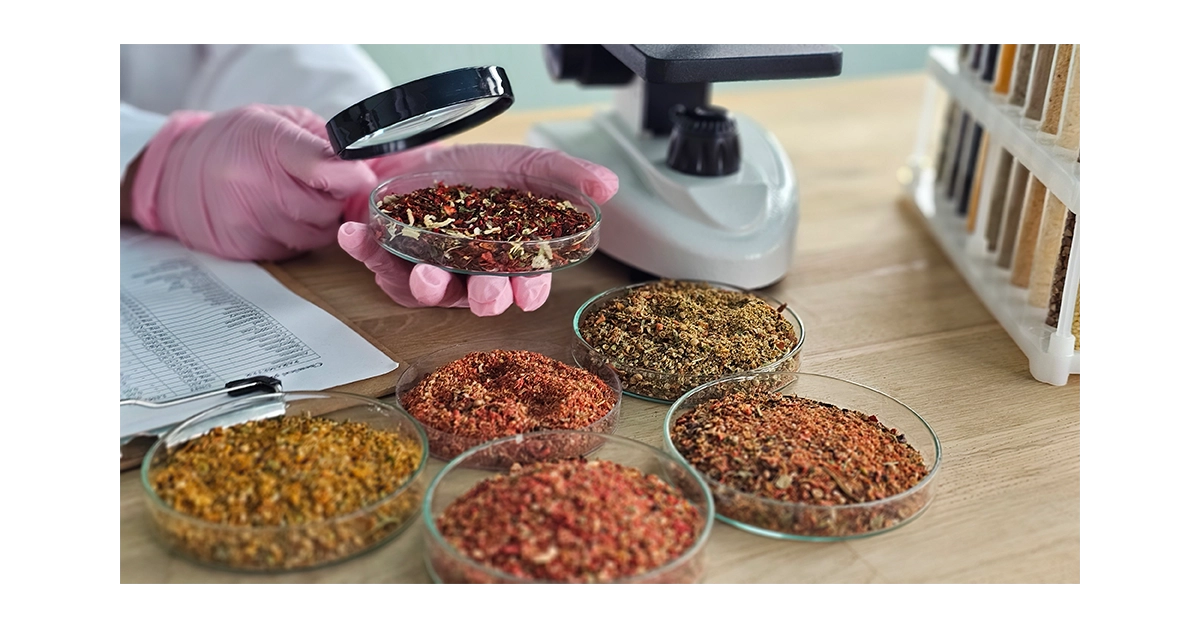
For example, spices can face risks involving pesticide residues, aflatoxins, illegal dyes, ethylene oxide, allergens and heavy metals.
Our global spices-testing capabilities specifically cover these and other parameters, reflecting the importance of commodity-specific testing strategies.
Fresh and fresh-cut fruits present another set of considerations.
Our recent fresh-fruit testing content identifies pesticides, heavy metals, microbiological hazards, mycotoxins, chlorates and other contaminants among the analytical parameters relevant to the sector.
This illustrates why food safety programs should be designed around the actual commodity, production environment and destination market.\
Regulatory Compliance Is a Moving Target
Food regulations continue to evolve.
Maximum residue levels, contaminant limits, monitoring programs and import requirements can change as scientific knowledge develops and regulators reassess risks.
Producers and exporters therefore need processes that can adapt.
This can include:
Monitoring regulatory changes
Reviewing customer specifications
Updating testing panels
Evaluating supplier risks
Reviewing agricultural inputs
Conducting periodic testing
Investigating non-compliances
Maintaining traceability
For companies exporting agricultural commodities, this becomes particularly important because the destination market may impose requirements that differ from those in the country of production.
From Testing to Preventive Risk Management
Testing is most valuable when the results lead to action.
If a pesticide residue is detected above an applicable limit, for example, the business should investigate the potential source.
Possible questions include:
Which pesticide was used?
Was the correct application rate followed?
Was the pre-harvest interval respected?
Did contamination originate from a neighboring crop?
Was there cross-contamination during processing?
Could storage or transportation have contributed?
Similarly, when mycotoxins are detected, businesses may need to investigate harvesting, drying and storage conditions.
This is where laboratory data becomes a management tool rather than simply a compliance document.
The Role of Certificates of Analysis
Laboratory testing frequently results in a Certificate of Analysis (CoA).
A CoA provides documented analytical information about a particular batch or shipment and can help demonstrate whether specified parameters meet applicable requirements.
We note that CoAs commonly include product information, batch or lot identification, test methods, analytical results and a pass/fail or compliance statement where applicable.
For producers and exporters, a reliable CoA can support:
Customer acceptance
Regulatory compliance
Trade documentation
Supplier qualification
Quality control
Traceability
Market access
However, the value of the document depends on the quality and appropriateness of the underlying testing and sampling process.
Building a Risk-Based Food Safety Testing Program
A strong testing program should reflect the actual risks faced by the business.
A practical approach can include five stages.
1. Identify
Determine which contaminants are relevant to the commodity, production process and destination market.
2. Assess
Evaluate historical data, supplier performance, agricultural practices, geographic factors and regulatory requirements.
3. Test
Select appropriate sampling procedures, analytical methods and testing frequencies.
4. Investigate
When results identify an issue, determine the likely source and assess whether additional testing is required.
5. Improve
Use results to strengthen preventive controls, supplier management, storage practices and future testing programs.
This risk-based approach can help businesses move from reactive testing to proactive food safety management.
Why Independent Laboratory Testing Adds Value
Internal quality-control programs can provide important operational information, but independent laboratory testing can provide an additional level of confidence.
An external laboratory can offer:
Independent analytical results
Specialized instrumentation
Technical expertise
Recognized accreditation
Broader testing capabilities
Support for customer and regulatory requirements
Our food laboratories are ISO/IEC 17025 accredited through national accreditation bodies across defined testing parameters and use internal and external quality controls, method development and validation processes, reference materials and inter-laboratory proficiency testing.
These quality systems are particularly important when analytical results are used to support international trade and regulatory compliance.
Strengthening Food Safety From Farm to Fork
Food safety cannot be managed effectively at a single point in the supply chain.
The risks associated with pesticides, mycotoxins and other contaminants can emerge at different stages, from agricultural production through harvesting, storage, processing, transportation and distribution.
This is why we take a broader farm-to-fork approach to food safety and quality assessment.
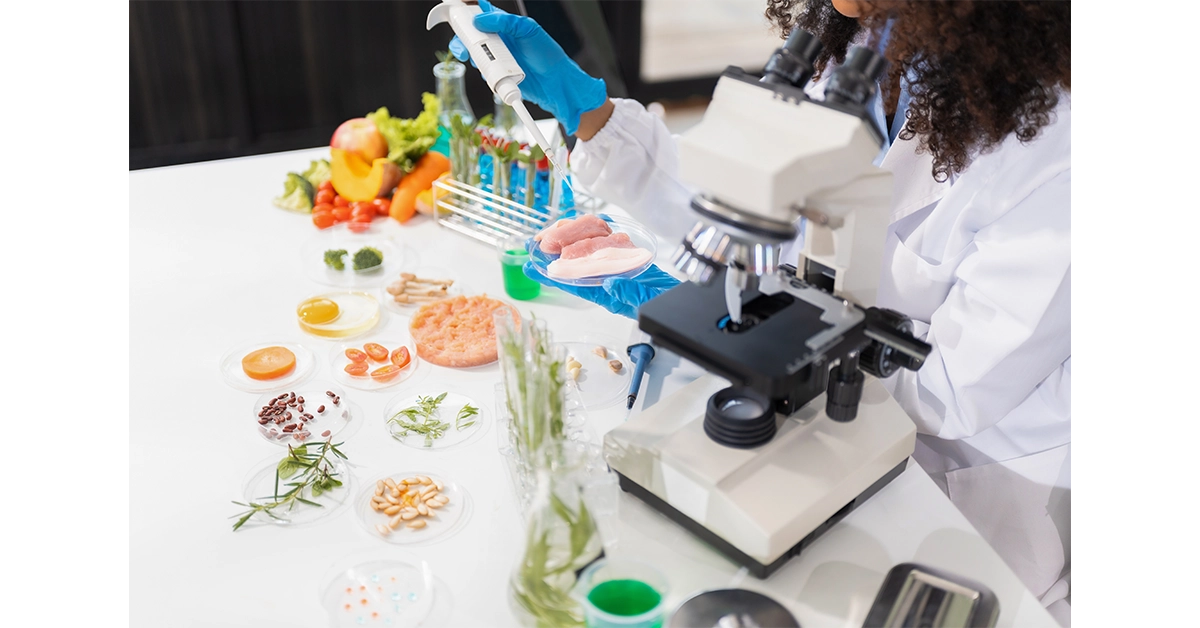
Its food safety services include chemical, microbiological, nutritional, allergen, GMO, food-contact-material and contaminant testing, alongside other inspection, certification and supply-chain services.
For agricultural businesses, this integrated approach can help identify risks earlier and provide greater visibility across the supply chain.
Preparing for the Future of Food Safety
The food industry is facing a continually changing risk environment.
Climate conditions can influence agricultural production and mycotoxin risks. International trade can introduce new supply-chain complexities. Regulatory requirements continue to evolve. Consumers and retailers are demanding greater transparency.
At the same time, analytical technologies are becoming more sensitive and capable of detecting an increasingly broad range of contaminants.
For producers, the response should not be simply to test more.
It should be to test smarter.
That means combining:
Risk assessment + preventive controls + representative sampling + advanced laboratory testing + traceability + corrective action.
This approach can help businesses protect consumers, meet regulatory requirements and strengthen their competitiveness in international markets.
Turning Contaminant Risks Into Better Food Safety Decisions
Pesticide residues, mycotoxins and other contaminants represent ongoing challenges for today's food and agricultural producers.
Managing these risks requires more than reacting to failed tests. It requires a structured approach that connects agricultural practices, supply-chain controls, laboratory analysis and continuous improvement.
Advanced analytical technologies can provide the sensitivity required to detect contaminants at very low levels. Accredited laboratories can provide confidence in the testing process. And risk-based testing programs can help businesses focus resources on the hazards that matter most.
We support producers, exporters, processors, retailers and other food businesses with food safety testing and supply-chain solutions covering pesticides, mycotoxins, heavy metals, dioxins, PFAS and other contaminants.
With specialized laboratories, advanced analytical technologies and a global network of Testing, Inspection and Certification capabilities, we help businesses strengthen food safety, support regulatory compliance and protect product integrity from farm to fork.
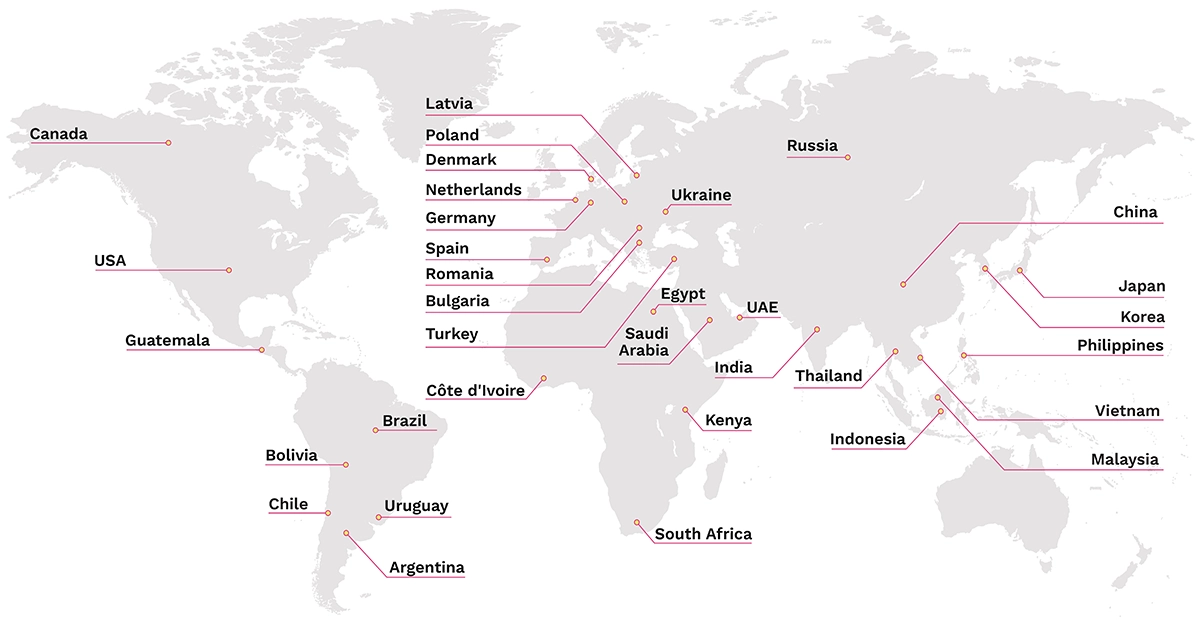
Cotecna Agriculture Global Network
Our network covers all the key trade hubs and routes globally.
Baier Testing (Shandong Baier Testing Corp., Ltd.)
Cotecna Netherlands (previously known as NofaLab)
Need to assess your products for pesticides, mycotoxins or other contaminants?
Contact us today to discuss a risk-based food safety testing program tailored to your commodity, supply chain and target markets.
Download the free 2026 Cotecna Agriculture Brochure.
Follow us on Social Media to keep up with our Adding Strength to Supply Chains series.
About Cotecna
For over 50 years, we have been supporting agriculture, food and pharma, minerals and metals, and consumer products supply chains all over the world. We provide testing, inspection, and certification services to help our clients navigate evolving regulations, ensure product compliance, and support their sustainability journey.
Latest News
21.10.2026
Pesticide Residues, Mycotoxins & Contaminants: Food Safety Challenges
Explore how producers can manage pesticide residues, mycotoxins and emerging contaminants through advanced food safety testing, risk management and supply chain controls.
20.10.2026
Chemical Testing for Consumer Products: What Manufacturers Need to Know
Learn how chemical testing helps consumer-product manufacturers identify hazardous substances, meet regulatory requirements, and support product safety and compliance.