




Keys to an Accurate Geochemical Analysis
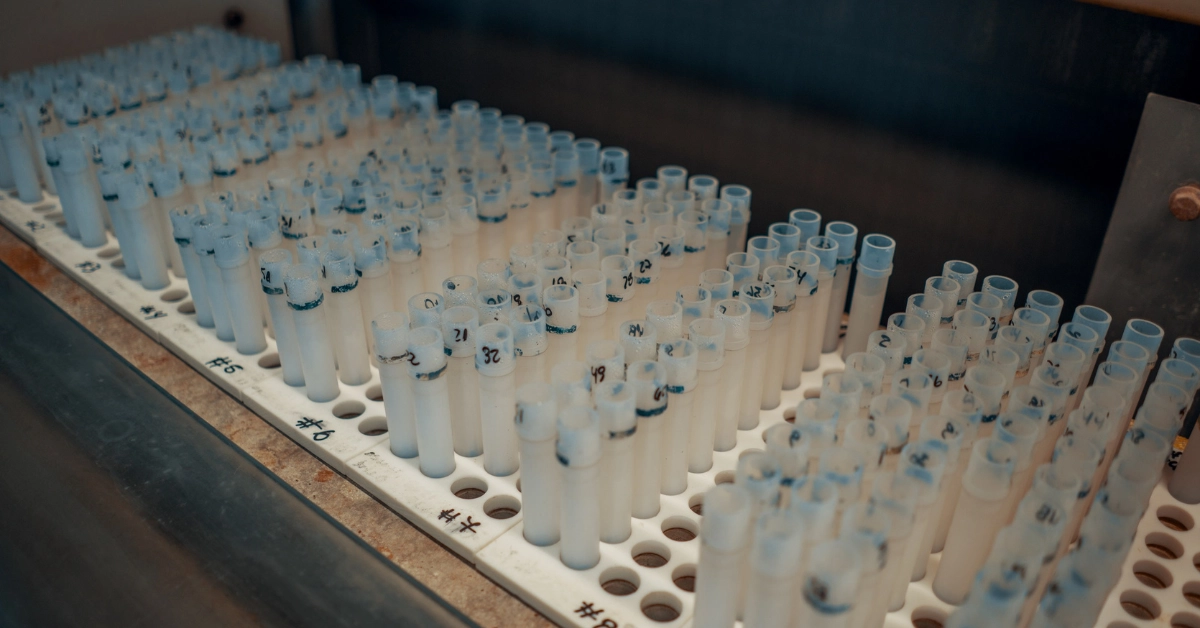
Mineral dissolution is a fundamental process in geochemical analysis, as it allows for the transformation of a solid sample into a solution suitable for study. This step is crucial for obtaining precise and reliable results in the characterization of minerals.
Key objectives in mineral dissolution:
- Breaking the crystal networks to release the analyte: Various reagents, mainly acids, are used to break down the mineral's crystal structure and release the elements of interest. Oxidizing acids like nitric acid (HNO₃), perchloric acid (HClO₄), and sulfuric acid (H₂SO₄), as well as mixtures like aqua regia, are commonly employed in this process.
- Preventing losses due to volatilization: It is essential to prevent the volatilization of sensitive species during dissolution. For example, arsenic (As), antimony (Sb), and tin (Sn) chlorides can volatilize in the presence of concentrated hydrochloric acid, which would affect the precision of the analysis.
- Preventing the retention of the analyte in insoluble residues: It is important to ensure that the analyte does not become trapped in residues that do not dissolve during the process. The formation of residues can hinder the proper detection of the elements of interest.
- Preventing the adsorption of the analyte on the container walls: It must be ensured that the released elements are not adsorbed by the container walls, as this could decrease their concentration in the solution and affect the accuracy of the analysis.
- Preventing cross-contamination: It is crucial to use reagents and containers free of the species to be determined to avoid contamination that could compromise the integrity of the results.
Critical factors in the dissolution process:
- Selection of appropriate reagents: The choice of acid or acid mixture depends on the mineral's composition and the elements to be analyzed. For example, hydrofluoric acid (HF) is effective for breaking down silica (SiO₂), while hydrochloric acid (HCl) is used to complex transition metals.
- Control of time and temperature: These parameters must be carefully regulated to ensure complete dissolution and to avoid degradation or volatilization of the analytes.
- Alternative methods: In cases where the applied energy is insufficient to break the crystal networks, high-temperature fusion may be used as an alternative method to achieve complete dissolution of the mineral.
At AGS Ageological Activation Services, we understand the importance of each of these aspects and apply specialized techniques to ensure optimal dissolution of various types of minerals, guaranteeing precise and reliable results in our geochemical analyses.
👉 Contact us today for more information about our environmental services.
About Cotecna
For over 50 years, we have been supporting agriculture, food and pharma, minerals and metals, and consumer products supply chains all over the world. We provide testing, inspection, and certification services to help our clients navigate evolving regulations, ensure product compliance, and support their sustainability journey.
Latest News
16.10.2026
Cotecna Group Acquires Energon Labs
Strengthening Global Pharmaceutical Testing Capabilities and Expanding its Presence in India
16.10.2026
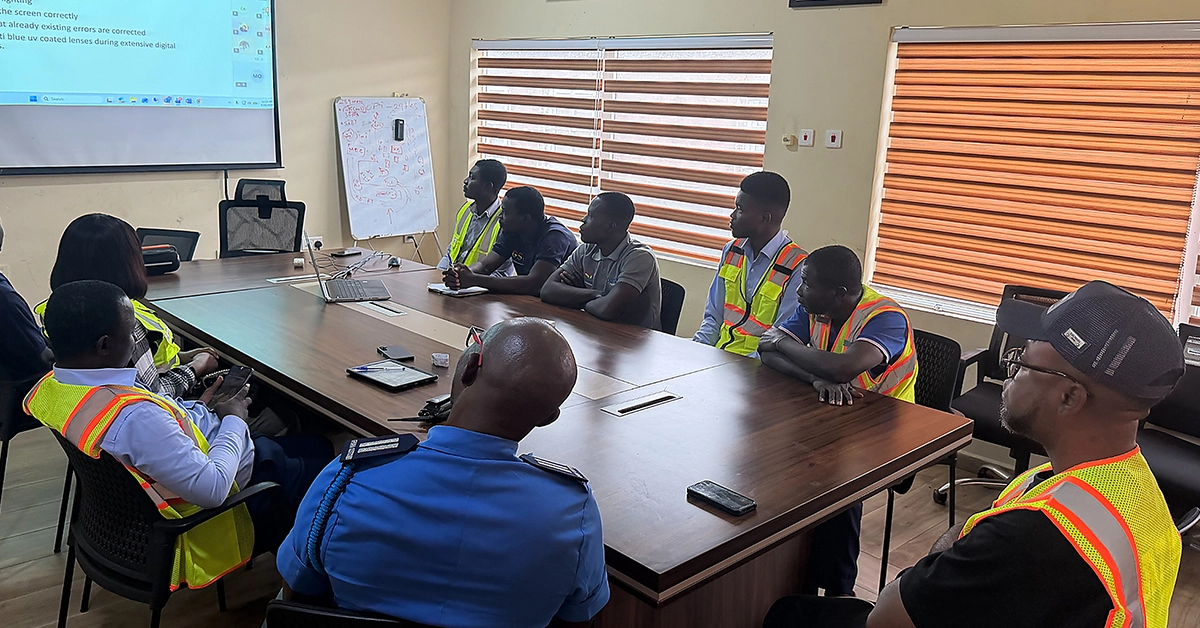
Cotecna Ghana/GSL Promotes Vision Safety During Safety Week 2026
Cotecna Ghana staff learned eye safety, digital eye strain prevention, and vision health tips.