




Chemical, Microbiological, and Allergen Testing: A Complete Guide for Food Manufacturers
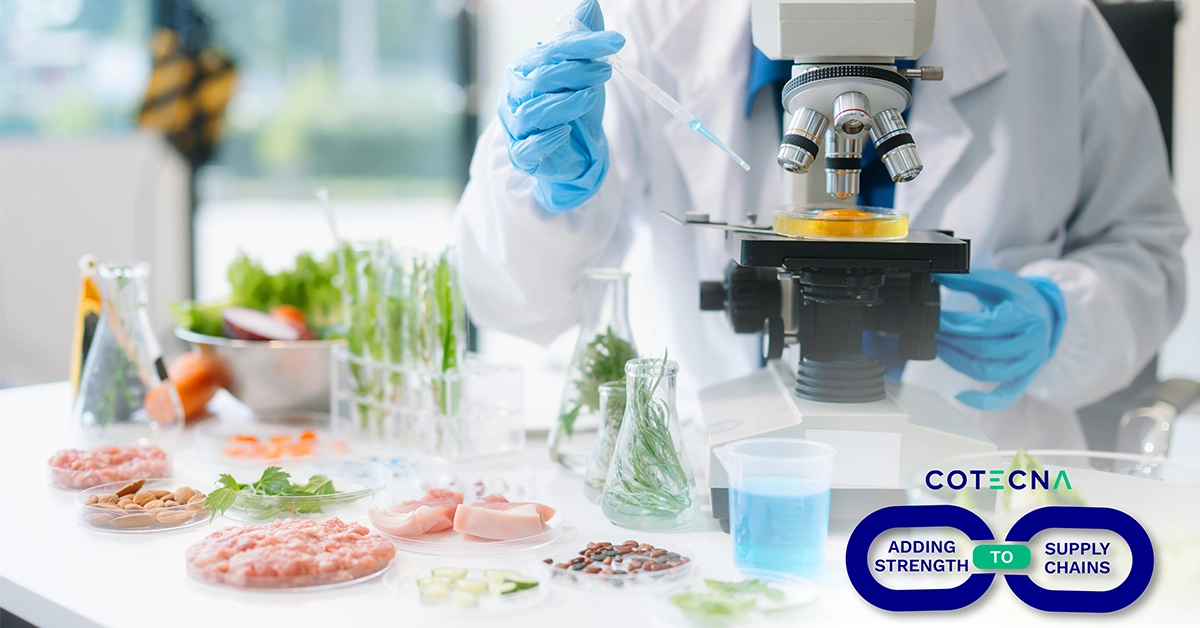
Food safety is one of the most critical responsibilities for every food manufacturer. Consumers expect the products they purchase to be safe, accurately labeled, and produced under rigorous quality standards. Regulators demand compliance with increasingly stringent food safety requirements, while retailers and brand owners expect suppliers to demonstrate consistent product quality and effective risk management.
Meeting these expectations requires more than good manufacturing practices alone. It demands a proactive approach to identifying, assessing, and controlling potential hazards throughout the production process. This is where comprehensive laboratory testing becomes indispensable.
Chemical, microbiological, and allergen testing form the foundation of modern food safety programs. Together, these testing disciplines help manufacturers identify contaminants, verify compliance with regulatory requirements, protect consumer health, and strengthen confidence across the food supply chain.
Whether producing raw ingredients, ready-to-eat meals, beverages, confectionery, dairy products, seafood, or packaged foods, manufacturers benefit from robust testing programs that support quality assurance, regulatory compliance, and continuous improvement.
Why Comprehensive Food Testing Matters
Food products pass through multiple stages before reaching consumers, including sourcing, processing, packaging, storage, transportation, and distribution. At every stage, hazards can be introduced that compromise product safety or quality.
Potential risks include:
Chemical contamination from pesticides, heavy metals, or cleaning agents
Harmful microorganisms such as Salmonella, Listeria monocytogenes, and pathogenic Escherichia coli (E. coli)
Undeclared allergens caused by cross-contact during production
Environmental contamination within manufacturing facilities
Raw material variability
Inadequate sanitation practices
Mislabeling or formulation errors
GMO
Without effective monitoring, these hazards can lead to product recalls, regulatory action, supply chain disruption, financial losses, and reputational damage.
Routine laboratory testing enables manufacturers to identify potential issues before products reach the market, supporting preventive food safety management rather than reactive problem-solving.
Understanding the Three Pillars of Food Testing
Although food testing encompasses a wide range of analytical methods, most routine food safety programs are built around three core disciplines:
Chemical testing
Microbiological testing
Allergen testing
Each addresses different risks while contributing to an integrated food safety management system.
Chemical Testing: Verifying Product Safety and Compliance
Chemical testing evaluates the composition of food products to detect contaminants, verify ingredient quality, and confirm compliance with regulatory requirements.
Food manufacturers rely on chemical analysis to identify substances that may pose health risks or affect product quality.
Common chemical testing includes:
Pesticide residue analysis
Heavy metal testing
Veterinary drug residue testing
Mycotoxin analysis
Nutritional composition
Food additive verification
Preservative analysis
Moisture, protein, fat, and ash analysis
pH and acidity measurements
For manufacturers sourcing ingredients from multiple regions, chemical testing provides additional confidence that incoming raw materials meet both internal specifications and destination market requirements.
As international regulations evolve, laboratory analysis also helps manufacturers verify compliance with maximum residue limits (MRLs), contaminant limits, and product-specific regulatory requirements before products enter domestic or export markets.
Microbiological Testing: Protecting Consumer Health
Microbiological testing identifies harmful microorganisms that may contaminate food during production, processing, storage, or distribution.
Many microorganisms are harmless, and some are even beneficial in food production. However, pathogenic bacteria, yeasts, molds, and viruses can present serious public health risks if not effectively controlled.
Routine microbiological testing commonly targets:
Salmonella
Listeria monocytogenes
Pathogenic E. coli
Staphylococcus aureus
Bacillus cereus
Campylobacter
Clostridium species
Yeasts and molds
Total plate counts
Coliform bacteria
Testing may be performed on:
Raw ingredients
In-process products
Finished goods
Water used during production
Environmental surfaces
Production equipment
Employee hygiene samples
Microbiological monitoring allows manufacturers to verify sanitation effectiveness, identify contamination sources, and demonstrate compliance with food safety regulations and customer requirements.
Rather than simply detecting contamination, an effective microbiological testing program provides valuable insights that support continuous process improvement.

Allergen Testing: Safeguarding Sensitive Consumers
Food allergies affect millions of people worldwide, and even trace amounts of undeclared allergens can cause severe or life-threatening reactions.
For manufacturers, allergen management is both a regulatory requirement and a critical consumer protection responsibility.
Allergen testing helps verify that products are accurately labeled and that allergen control measures are functioning effectively.
Common allergens monitored include:
Milk
Eggs
Peanuts
Tree nuts
Soy
Wheat
Fish
Crustacean shellfish
Sesame
Testing supports manufacturers by confirming the effectiveness of cleaning procedures, validating production changeovers, assessing cross-contact risks, and verifying finished products.
Combined with robust allergen management programs, laboratory testing helps reduce recall risks while strengthening consumer confidence.
Environmental Monitoring: Looking Beyond the Product
Testing finished products alone is no longer sufficient for many food manufacturers.
Environmental monitoring has become an essential component of preventive food safety systems.
Routine sampling of production environments can identify contamination before it affects finished products.
Environmental monitoring may include:
Equipment surfaces
Food contact surfaces
Non-food contact surfaces
Processing areas
Drainage systems
Air quality
Water systems
Environmental testing is particularly valuable in facilities producing ready-to-eat foods, dairy products, meat products, seafood, and other high-risk products where contamination can have significant public health implications.
Supporting Compliance with International Standards
Food manufacturers operate within a complex regulatory landscape that continues to evolve in response to emerging risks, scientific advances, and changing consumer expectations.
Comprehensive testing programs support compliance with internationally recognized food safety frameworks such as:
Codex Alimentarius principles
HACCP (Hazard Analysis and Critical Control Points)
Good Manufacturing Practices (GMP)
ISO 22000 Food Safety Management Systems
FSSC 22000 Certification Scheme
BRCGS Global Food Safety Standard
International Featured Standards (IFS)
Laboratory certified by the QS organisation
Laboratory approved for BNN system
Independent laboratory testing also supports customer audits, supplier approval programs, export requirements, and retailer specifications.
By integrating testing into broader food safety management systems, manufacturers can demonstrate a proactive commitment to quality, regulatory compliance, and continuous improvement.
Strengthening Supply Chain Confidence
Modern food supply chains often span multiple countries and involve numerous suppliers, processors, distributors, and retailers.
As supply chains become increasingly interconnected, manufacturers require greater visibility into the safety and quality of raw materials and finished products.
Independent laboratory testing provides objective evidence that products meet agreed specifications before entering the next stage of the supply chain.
This supports:
Supplier qualification
Incoming material verification
Batch release decisions
Export certification
Customer confidence
Product consistency
Testing also contributes to traceability initiatives by providing documented evidence that complements quality management systems and product documentation.
Emerging Challenges Shaping Food Testing
The food industry continues to evolve in response to technological innovation, sustainability goals, globalization, and changing consumer preferences.
Manufacturers are increasingly challenged by:
New and emerging foodborne pathogens
Climate-related impacts on food safety
Novel ingredients and alternative proteins
Increasing allergen awareness
Growing scrutiny of chemical contaminants
Food fraud and authenticity concerns
Expanding regulatory requirements
Rising consumer expectations for transparency
To address these challenges, testing programs must evolve beyond routine compliance activities.
Risk-based testing strategies, advanced analytical technologies, and data-driven quality management systems are helping manufacturers identify trends, improve operational performance, and respond more effectively to emerging risks.
Choosing the Right Testing Partner
Effective food testing requires more than advanced laboratory equipment. It depends on technical expertise, internationally recognized methodologies, robust quality management systems, and an understanding of regulatory expectations across different markets.
When selecting a testing partner, manufacturers should consider:
Technical competence and laboratory accreditation
Scope of testing capabilities
Industry-specific expertise
Regulatory knowledge
Turnaround times
Data quality and reporting
Global service capabilities
Integration with inspection, certification, and audit services
Working with an experienced Testing, Inspection, and Certification (TIC) provider enables manufacturers to access comprehensive support across the entire product lifecycle, from raw material sourcing to market distribution.
Building a Stronger Food Safety Culture
Laboratory testing is one of the most effective tools available to food manufacturers, but its value extends beyond compliance.
Chemical, microbiological, and allergen testing generate critical insights that help organizations strengthen quality systems, improve operational performance, reduce risk, and protect public health.
As food supply chains become more complex and consumer expectations continue to rise, comprehensive testing will remain central to building resilient food safety programs.
By integrating laboratory testing with inspection, certification, and robust quality management practices, manufacturers can demonstrate their commitment to producing safe, high-quality food while maintaining confidence among regulators, customers, and consumers alike.
For organizations seeking to strengthen food safety, independent Testing, Inspection, and Certification services provide the expertise, objectivity, and technical capabilities needed to navigate today's evolving regulatory landscape and support long-term business success.
Learn how Cotecna's food testing, inspection, and certification services can help your organization strengthen quality assurance, meet regulatory requirements, and build confidence throughout the food supply chain.
Global Reach, Local Support
With an international presence across major trade routes and agricultural markets, Cotecna delivers consistent service standards while maintaining local expertise and market knowledge.

Discover Cotecna Food Entities
Baier Testing
Cotecna Lab Netherlands (previously known as NofaLab)
Strengthening Food Supply Chains from the Ground Up
The safety and quality of food products are directly influenced by the inputs used during production. Validating chemical inputs helps businesses identify risks earlier, improve compliance, enhance traceability, and build stronger supply chains.
By combining analytical testing, inspection, verification, and certification expertise, Cotecna helps food producers, traders, exporters, and manufacturers gain confidence in the materials that support their operations. From farm inputs to finished products, we deliver independent assurance that adds strength to supply chains, helping protect consumers, support market access, and strengthen supply chain resilience.
How can we help you?
Whether you are sourcing fertilizers, crop protection products, feed ingredients, or other critical inputs, Cotecna can help you verify quality, manage risk, and maintain compliance across your food supply chain.
Add strength to your supply chain with Cotecna's global testing, inspection, and certification services.
For more information, or to request a free quote, please contact us.
Download our free Cotecna Food brochure: 2026 Cotecna Food Services Brochure.
About Cotecna
For over 50 years, we have been supporting agriculture, food and pharma, metals and minerals, and consumer products supply chains all over the world. We provide testing, inspection, and certification services to help our clients navigate evolving regulations, ensure product compliance, and support their sustainability journey.
Latest News
16.10.2026
Cotecna Group Acquires Energon Labs
Strengthening Global Pharmaceutical Testing Capabilities and Expanding its Presence in India
16.10.2026
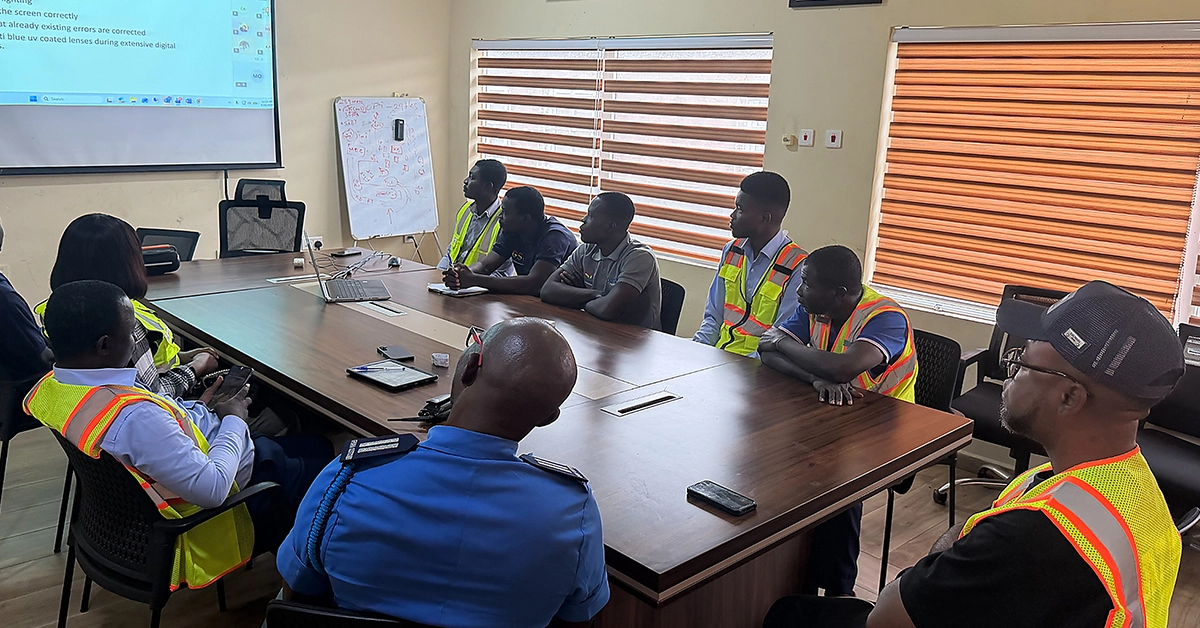
Cotecna Ghana/GSL Promotes Vision Safety During Safety Week 2026
Cotecna Ghana staff learned eye safety, digital eye strain prevention, and vision health tips.