




Curcumin Testing: Tackling Adulteration in the Turmeric Supply Chain
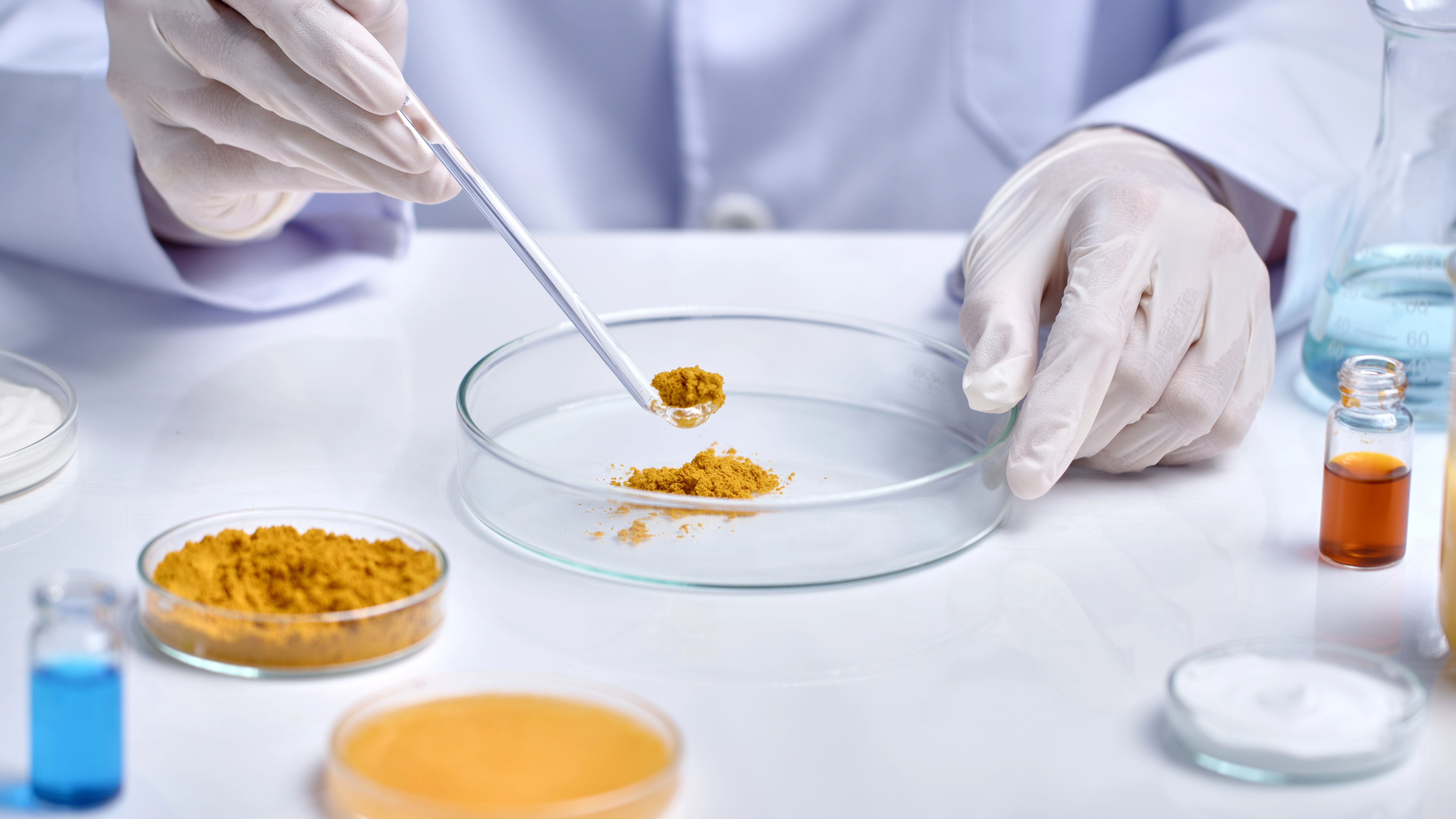
Turmeric, often referred to as the "golden spice," has been a cornerstone of both culinary and medicinal traditions for centuries. Beyond its culinary uses, turmeric's key active compound, curcumin, has gained widespread recognition for its potent health benefits. Curcumin is sought-after for its strong anti-inflammatory, antioxidant, and antibiotic properties, making it a staple in traditional medicine systems like Ayurveda and Traditional Chinese Medicine.
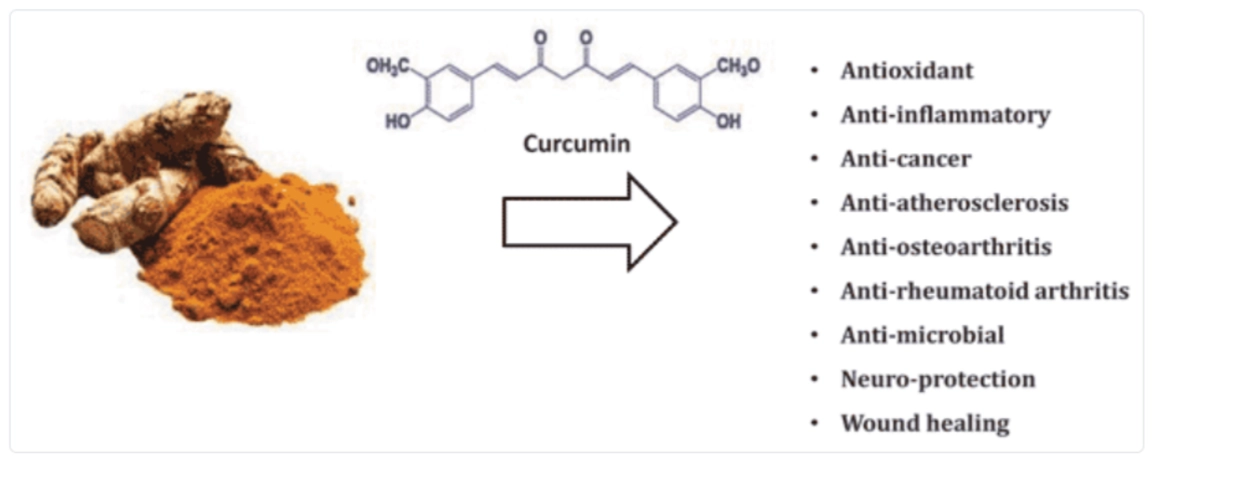
The curcumin content in turmeric is a key determinant of its quality, impacting both its efficacy and its market value. With the growing global demand for turmeric, driven by its widespread culinary and medicinal applications, the challenge of maintaining high-quality standards has become increasingly complex.
As suppliers struggle to meet the global demand, adulteration practices have emerged as a critical issue within the turmeric supply chain, undermining product integrity and posing significant health risks to consumers.
The complexity of the turmeric supply chain and the evolving challenges of adulteration necessitate the use of advanced testing methods and enhanced regulatory oversight. To ensure the continued quality of this golden spice, it is essential to understand the various stakeholders involved in the turmeric journey, from farm to fork, and the challenges they face.
The Journey of Turmeric: From Cultivation to Consumption
The turmeric supply chain is multifaceted, involving various stakeholders who either contribute to the product’s quality or, unfortunately, to its adulteration. Each step along the way presents an opportunity for quality control or, conversely, a potential risk for contamination.
Farmers: The Foundation of Quality
At the very beginning of the turmeric supply chain are the farmers who cultivate and harvest the spice. The quality of the turmeric depends on various factors, including the methods used during cultivation, harvesting, and primary processing. Farmers in different regions use diverse techniques, influenced by local knowledge, climate conditions, and soil quality. However, this variability often leads to inconsistencies in the curcumin content and overall quality of turmeric.
The timing of the harvest is crucial; turmeric should be harvested when it reaches full maturity to achieve optimal curcumin concentration. Premature harvesting, on the other hand, results in lower curcumin content, reducing the spice's medicinal and market value. Additionally, improper post-harvest practices such as incorrect boiling or drying temperatures can degrade curcumin levels, compromising the quality of the product. Furthermore, excessive use of synthetic fertilizers may dilute the curcumin content, leaving the turmeric vulnerable to adulteration.
To address these issues, there is a growing push for standardized agricultural practices that rely on scientific methods to optimize cultivation and drying techniques. These practices would help ensure that turmeric maintains consistent quality and potency, thereby reducing the need for adulteration.
Traders and Agents: The Supply Chain Middlemen
Once harvested, turmeric is passed along the supply chain to traders or agents who transport the product to processing units or markets. These intermediaries play a vital role in the movement of turmeric, ensuring that the product reaches the right buyers or manufacturers. However, their involvement also increases the potential for adulteration, particularly if turmeric is mixed with other substances during transportation to increase volume or profitability.
The risk of contamination is heightened in regions with poorly regulated supply chains or where local enforcement of quality standards is lacking. Traders and agents are, therefore, key players in preventing the spread of adulteration by adhering to ethical practices and ensuring the product is handled with care.
Manufacturers and Processors: Customizing Turmeric for the Market
Once turmeric reaches processing units, it undergoes various treatments to meet the specifications required by different markets. This includes converting raw turmeric into powder, extract, or other forms, depending on the end-use. While processing plays a vital role in ensuring the consistency and usability of the spice, it also represents a critical point where adulteration can occur.
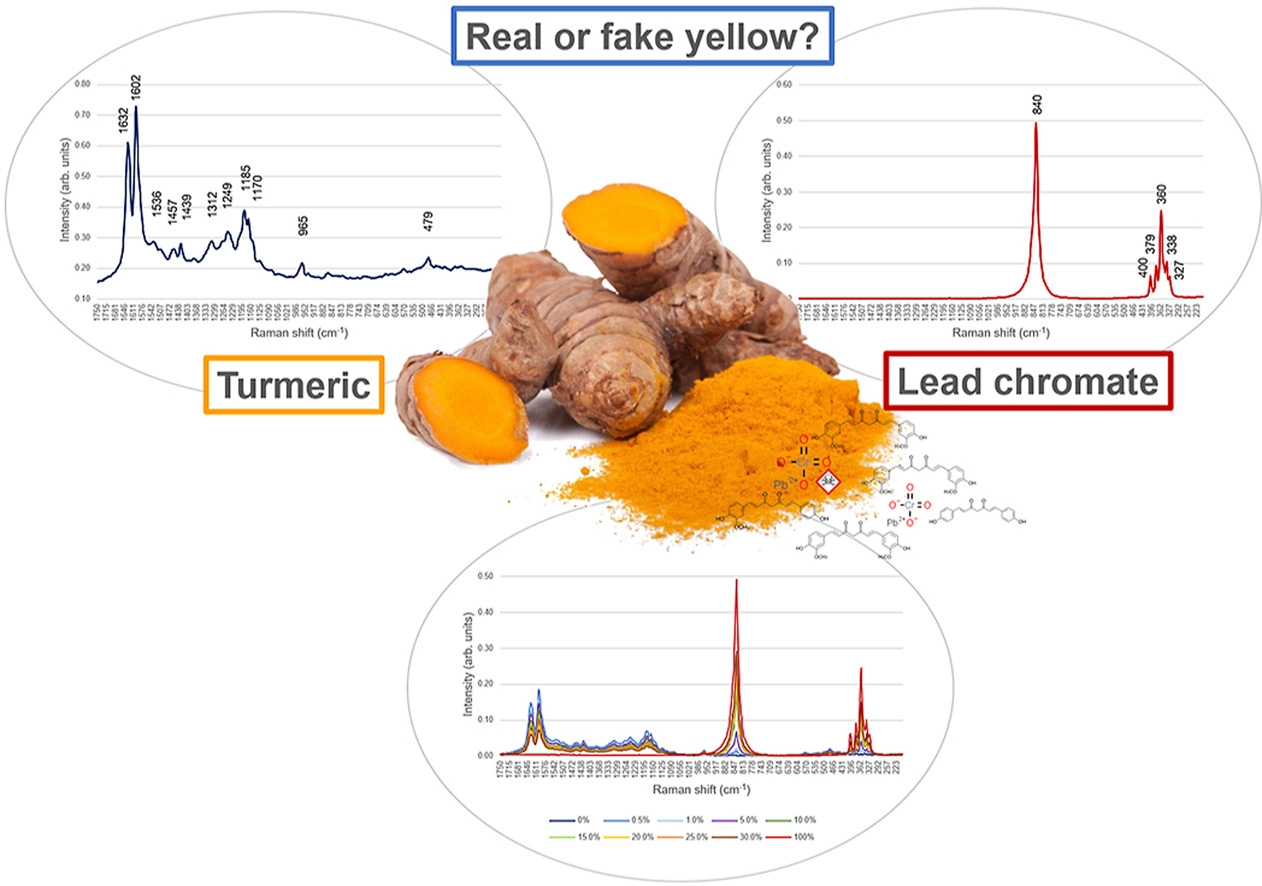
To meet market demand for bright yellow turmeric, some manufacturers, resort to using harmful substances such as metanil yellow and lead chromate to artificially enhance the color. These substances, both carcinogenic, pose significant health risks to consumers and further undermine the credibility of turmeric as a safe, natural product. Additionally, other adulterants such as starch, chalk powder, and even sawdust are sometimes mixed into turmeric powders to increase weight, further degrading its quality and making food safety a global concern.
Retailers and Bulk Traders: The Final Link in the Chain
Once processed and tested, turmeric is distributed to domestic and international markets by retailers and bulk traders. These intermediaries handle large quantities of turmeric, ensuring that it reaches consumers in its final form—whether as fresh roots, powdered turmeric, or as an ingredient in food products.
The role of retailers and bulk traders is vital in maintaining consumer confidence, as they are often the final gatekeepers of product quality. Clear labelling, proper certifications, and adherence to established safety standards help reassure consumers that the turmeric they purchase is authentic and safe for consumption.
Regulators Ensuring Turmeric Compliance and Safety
Regulatory bodies play a critical role in maintaining the integrity of turmeric throughout the supply chain. In India, the largest producer and exporter of turmeric, key regulators include:
- The Spices Board of India: This body is responsible for regulating the quality of turmeric exported to global markets.
- FSSAI (Food Safety and Standards Authority of India): FSSAI oversees the standards for turmeric sold in the domestic market.
- APEDA (Agricultural and Processed Food Products Export Development Authority): APEDA certifies organic turmeric for export.
These organizations rely on accredited laboratories to conduct testing and ensure compliance with regulatory standards. In total, FSSAI operates over 200 notified laboratories, while the Spices Board and APEDA recognize and empanel labs to ensure quality standards are met. Furthermore, enhanced enforcement, increased surveillance, and periodic audits are essential to curb adulteration at critical stages of the supply chain.
Laboratories: Guardians of Curcumin Quality
Accredited laboratories like Geo-Chem India are integral to ensuring the safety and quality of turmeric. The Cotecna group of labs are equipped with advanced analytical techniques to detect known adulterants and to identify new, emerging contaminants. Our role is crucial in maintaining compliance with regulatory standards and protecting public health.
Some of the advanced methods used by Cotecna laboratories to determine turmeric adulteration:
- LC-MS/MS (Liquid Chromatography-Mass Spectrometry): A powerful technique used to detect the presence of metanil yellow, a toxic dye often added to turmeric to enhance its yellow color.
- ICP-MS (Inductively Coupled Plasma Mass Spectrometry): This method helps identify the presence of lead chromate; a carcinogenic substance commonly used to artificially color turmeric.
- UV Spectroscopy: A technique that measures curcumin content with high precision, enabling labs to verify the authenticity and potency of the spice.
While conventional methods are still widely used for routine testing, the introduction of novel adulterants has made detection more challenging. As a result, testing laboratories must continuously innovate and update their methodologies to keep up with these emerging threats. The demand for faster and more efficient testing has also led to the development of rapid testing devices that can provide immediate results, thus improving decision-making across the supply chain.
Ensuring Quality: A Collaborative Effort
Addressing the issue of turmeric adulteration requires a comprehensive, multi-faceted approach that involves collaboration between regulatory bodies, manufacturers, laboratories, and other stakeholders. By working together, these groups can implement stricter quality controls, adopt advanced testing methodologies, and enforce regulations to ensure that turmeric remains a safe and effective product.
As global demand for high-quality turmeric continues to rise, so too does the importance of maintaining its authenticity and safety. Laboratories like Geo-Chem will continue to play a pivotal role in safeguarding the quality of turmeric by leveraging cutting-edge technologies to detect adulterants and ensure compliance with regulatory standards.
The fight against turmeric adulteration is a global effort that requires constant vigilance, innovation, and collaboration among all parties involved. Only through a concerted and coordinated approach can turmeric retain its rightful place as the "golden spice" in kitchens and medicine cabinets around the world.
Contact us today to discover how we can help you with product testing, inspection and certification concerns.
About Cotecna
For over 50 years, we have been supporting agriculture, food and pharma, minerals and metals, and consumer products supply chains all over the world. We provide testing, inspection, and certification services to help our clients navigate evolving regulations, ensure product compliance, and support their sustainability journey.
Latest News
07.10.2026
Cotecna Elite Now Offers Soil Analytical Services for Mining Operations
Cotecna Elite now offers soil analytical services to support mining companies with environmental monitoring, land rehabilitation, and compliance with MGB Memorandum Order No. 25-001.
24.09.2026
Managing Risk in Agricultural Trade – Cotecna North America
How independent inspection and testing services help exporters and traders navigate quality, logistics, compliance, and market challenges.