



Brazil’s 2025/26 Crop Season: ENSO (El Niño–Southern Oscillation) in transition, more volatile weather, and plant health as a competitive advantage

The start of 2026 consolidates a transitional climate scenario that increases weather variability and reduces predictability in the Southern Hemisphere, with direct implications for productivity, operating costs, and—above all—phytosanitary risk. Scenarios assessing the weak La Niña, established in October 2025, suggest it will lose intensity over the summer, with a return to ENSO-neutral conditions around March—a regime less associated with consistent atmospheric patterns and more prone to alternation between localized extremes and dry spells.
In practice, this reduces the usefulness of “binary” readings (La Niña = a single pattern) and increases the weight of regional factors, such as the tropical Atlantic and the dynamics of frontal systems, which often produce a more heterogeneous distribution of rainfall and short windows of surplus/deficit—exactly the kind of volatility that affects calendars, operational efficiency, and sanitary risk.
An “in-between year” changes the rules of the game: fewer patterns, more windows
Seasonal signals for summer (Dec/25–Feb/26) reflected this asymmetry: the forecast indicated a higher probability of below-normal rainfall across much of the Northeast and in areas of RS, TO, and PA, while parts of the western Amazon showed a bias toward above-normal rainfall; in addition, the trend toward above-average temperatures strengthened across broad areas of the north-central region. For sector strategy, the relevant takeaway is not only “where it rains more or less,” but how it rains: in weak, transitioning ENSO years, economic impacts tend to come from the mismatch of windows (planting, spraying, and harvesting) and from short events of water stress or excess moisture at critical crop stages.
Even with greater climate volatility, Brazil’s crop remains at a high level. CONAB’s 5th survey estimated 353.38 million tons of grains (an increase of 0.3% over 2024/25), with soybeans at 177.99 million tons (a record) and total corn at 138.45 million tons (a decline of 1.9%). For corn, the key sensitivity point is the second crop: the planting window and autumn rainfall become decisive when the climate operates in “pulses” rather than a continuous pattern.
For coffee, the signal is favorable: CONAB projects 66.2 million processed bags in 2026, in a positive biennial year, supported by an increase in producing area, productivity, and more favorable climatic conditions in the cycle, combined with good practices and increased technology adoption.
Plant health: when climate becomes a risk “multiplier”
In ENSO transition years, plant health tends to concentrate a large share of economic risk because diseases and pests respond to the combination of humidity, leaf wetness, and temperature—factors that, under a more erratic regime, arise in highly favorable and localized “windows.”
In this context, diagnostic infrastructure and phytosanitary intelligence become central. Disease monitoring networks and the reach of accredited laboratories support the logic of “detect early to act better,” reducing losses and avoiding late applications (more expensive and less efficient). In executive terms, the message is straightforward: in a more “fragmented” climate year, plant health tends to become more heterogeneous (“patchy”); therefore, those who operate with continuous monitoring and well-defined technical triggers make better decisions, with less waste and greater predictability.
Risk converted into governance
For organizations oriented toward quality, compliance, and risk management—such as phytosanitary diagnostic laboratories—the 2025/26 scenario reinforces three practical implications:
- Climate variability increases the dispersion of quality and risk by origin, requiring more dynamic verification and traceability protocols along the chain, especially when rainfall and temperature change rapidly between micro-regions.
- Phytosanitary risk becomes more “granular” and timing-sensitive, increasing the value of monitoring and early diagnosis to reduce losses and avoid escalations in operating and pesticide costs in later stages.
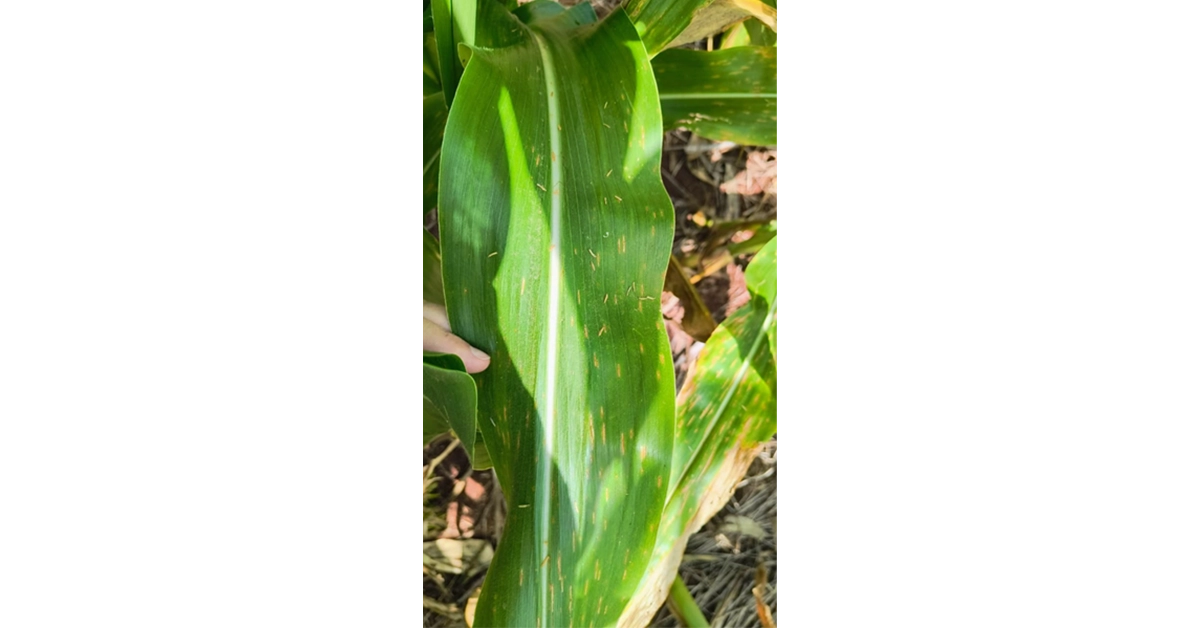
Plant disease monitoring in field
- The adoption of biological tools and integrated management advances as a structural response: CropLife Brasil reported 13% growth in the adoption of biological inputs in the 2024/25 season and an average annual growth of 22% over the last three years, signaling expansion of integrated practices (chemical + biomputs) and a stronger focus on resilience.
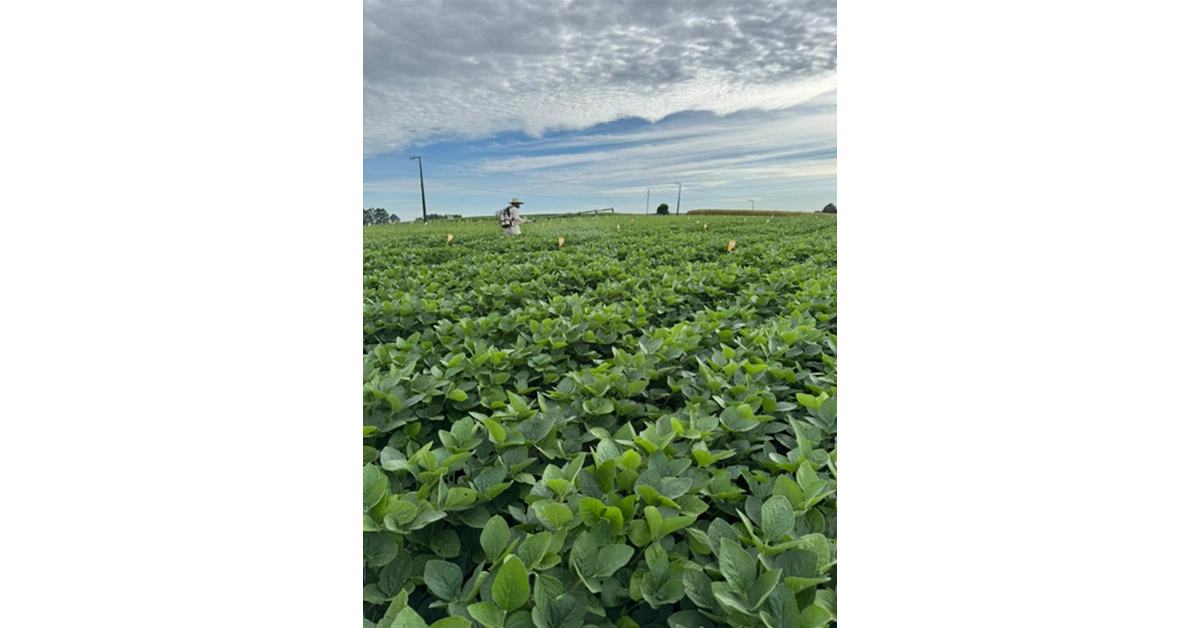
Management of plant diseases
Altogether, this reinforces the need for data-driven governance: climate (distribution, not only accumulation), phenology, and plant health shaping decision-making, with direct impacts on productivity, quality, and delivery reliability. In a transition year, those who integrate early diagnosis, climate intelligence, and integrated management (including bioinputs) tend to capture a competitive advantage—not by forecasting the weather, but by responding better to the variability it imposes.
To request a service please contact: comercial@agronomicabr.com.br
About Cotecna
For over 50 years, we have been supporting agriculture, food and pharma, minerals and metals, and consumer products supply chains all over the world. We provide testing, inspection, and certification services to help our clients navigate evolving regulations, ensure product compliance, and support their sustainability journey.
About Agronômica
AGRONÔMICA is a leading phytosanitary diagnostics laboratory in Brazil, offering integrated solutions that support decision-making by key players in the agricultural sector. We operate in all stages of the agribusiness chain, with services that include the identification of regulated and restrictive pests, by national requirements and international agreements; disease diagnosis and identification of beneficial microorganisms; analysis of biological products and inoculants; efficacy and compatibility testing of chemical and biological pesticides, both under controlled conditions and in the field; as well as physical-chemical and microbiological analyses. All these services are aligned with our commitment to plant health, sector sustainability and the promotion of food security.
Latest News

30.10.2026
Beyond Carbon Footprint: A Practical Guide to More Sustainable Businesses
Explore how GHG inventories, emissions verification, Life Cycle Assessment, energy management and ESG assurance support credible business sustainability.
30.10.2026
Strengthening Cotecna's Global Metals & Minerals Network Through Leadership Engagement
Mark Houchin's global visits highlight Cotecna's commitment to technical excellence and operational alignment, while focussing on strong customer partnerships worldwide.